Meeting room
One room, three modes: meeting, presentation and video call. The difference between them is the whole point of scene control.
A meeting room changes task several times a day. At the table you need even, glare-free light on paper and screens. During a presentation the front of the room has to dim without turning it into a cinema, and on a video call it is the face that needs lighting, not the tabletop.
Three scenes on a panel by the door solves it. Any more choices than that and people stop using them, leaving the room in the same mode all day.
Meeting, presentation and video as preset modes. Nobody should be setting light levels during a meeting.
The face needs light from the front. Ceiling luminaires alone leave shadows under the eyes.
The room is booked often and left in a hurry. Presence handles switching off.
Lighting requirements
| Area / task | Ēm (lux) | UGR max | U₀ min | Ra min | Note |
|---|---|---|---|---|---|
| Conference table | 500 | 19 | 0,60 | 80 | |
| Whiteboard | 500 | 19 | 0,70 | 80 | Vertical illuminance |
| Presentation mode | 300 | 19 | 0,60 | 80 | Dimmable, excluding the projection surface |
Target values per SS-EN 12464-1. The values are a starting point for the conversation, not a lighting design. The client's own requirements, the geometry of the room and its surfaces decide the outcome.
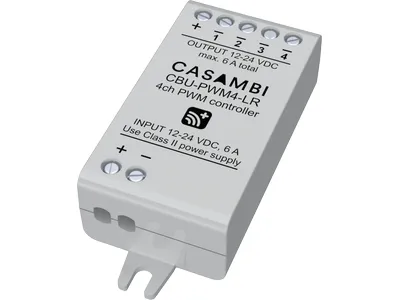
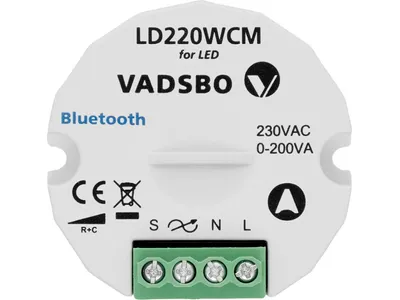
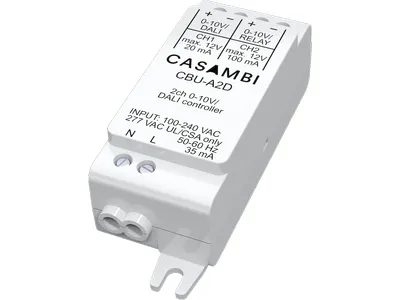
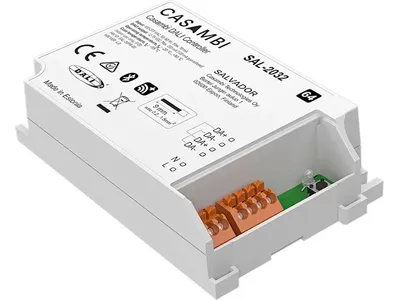
Products for meeting room