Hotel room
The guest has to understand the controls in ten seconds, in the dark, after a flight. Everything else is secondary.
The hotel room is where control most often becomes too clever. Four named modes by the door and a reading light per bedside beat any twelve-button panel, however well thought through.
The night path to the bathroom is the detail guests remember: a low level triggered by presence, enough to find your way but not enough to wake up fully.
Arrival, evening, reading and night. More choices make the room harder, not better.
A low level on presence, so the guest finds the way without waking.
An empty room should not stay lit. Handled centrally, not by housekeeping.
Lighting requirements
| Area / task | Ēm (lux) | UGR max | U₀ min | Ra min | Note |
|---|---|---|---|---|---|
| Room, general lighting | 100 | – | 0,40 | 80 | |
| Reading light at the bed | 300 | 19 | 0,70 | 80 | |
| Desk | 300 | 19 | 0,60 | 80 | |
| Bathroom, mirror | 300 | 19 | 0,60 | 80 | Vertical light on the face |
| Night path | 5 | – | – | 80 |
Target values per SS-EN 12464-1. The values are a starting point for the conversation, not a lighting design. The client's own requirements, the geometry of the room and its surfaces decide the outcome.
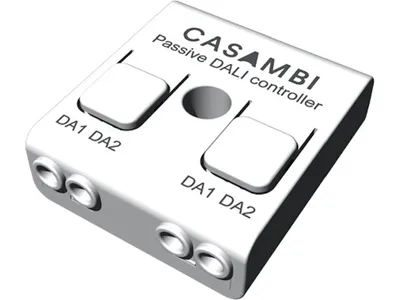
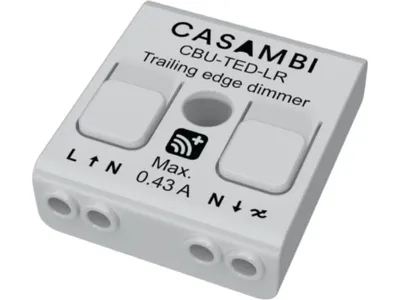
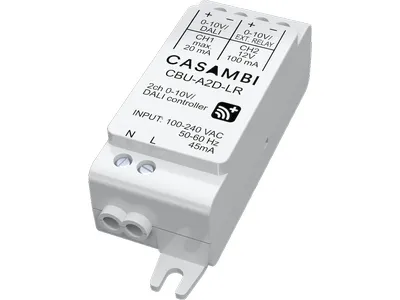
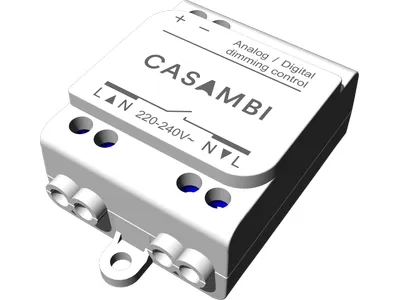
Products for hotel room