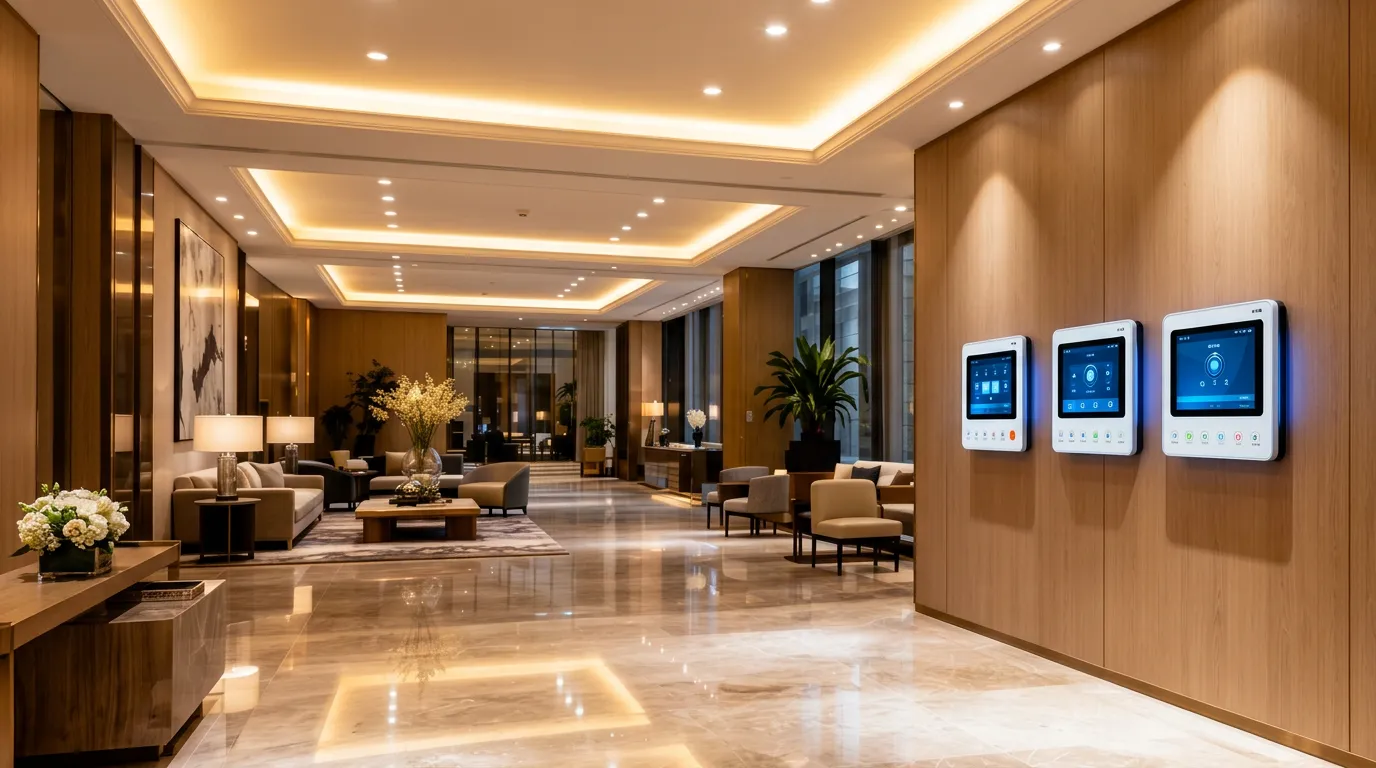
Entrance & reception
The first impression, and the eye's transition between outside and inside. The level needs to follow the daylight outside the door, not a fixed schedule.
An entrance kept at the same level around the clock feels dark at midday and harsh in the evening. The eye arrives from outside and needs a transition, particularly in winter when the difference between outdoors and indoors is greatest.
The reception desk is also a workplace, with a screen, paperwork and visitors in the same field of view. It needs its own level and its own glare control, not the same general lighting as the hall.
The level rises at midday and drops in the evening, so the transition never feels harsh.
Its own level at reception, with light on faces rather than only from the ceiling.
A reduced level after closing, with the entrance still legible from outside.
Lighting requirements
| Area / task | Ēm (lux) | UGR max | U₀ min | Ra min | Note |
|---|---|---|---|---|---|
| Entrance hall | 100 | 22 | 0,40 | 80 | |
| Reception desk | 300 | 22 | 0,60 | 80 | |
| Airlock, daytime | 200 | 22 | 0,40 | 80 | Transition from daylight |
Target values per SS-EN 12464-1. The values are a starting point for the conversation, not a lighting design. The client's own requirements, the geometry of the room and its surfaces decide the outcome.
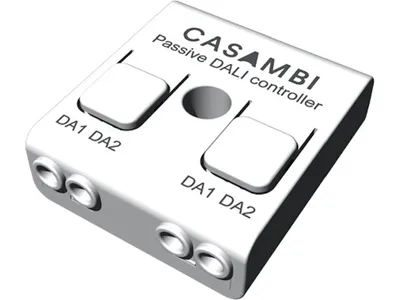
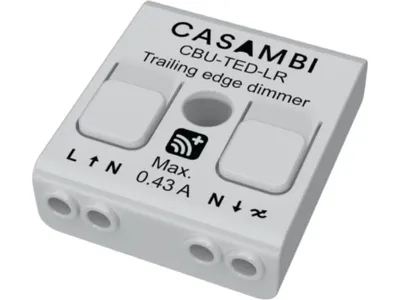
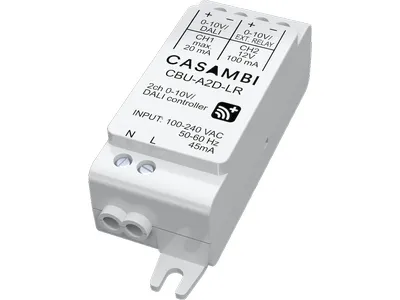
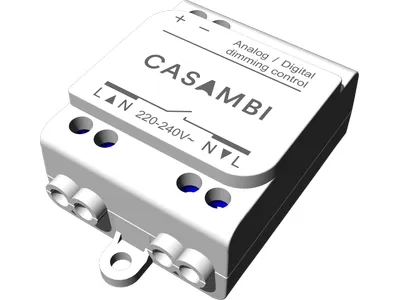
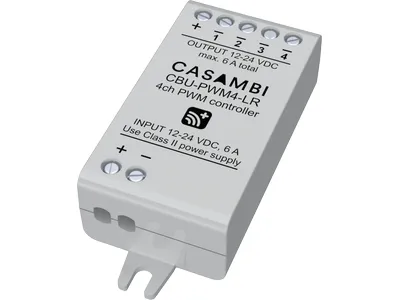
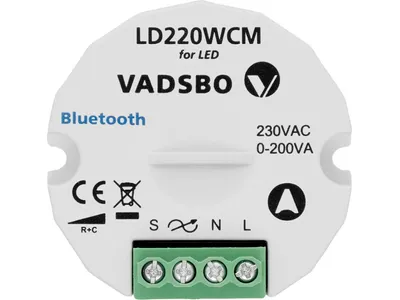
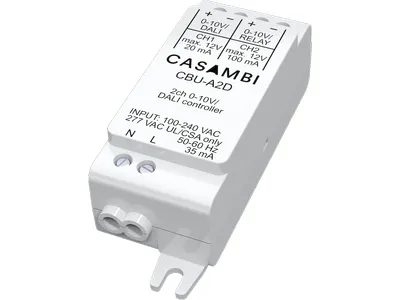
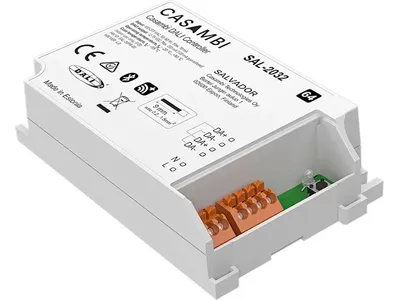
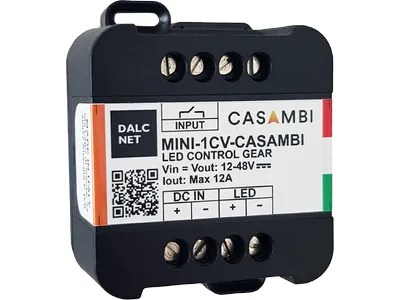
Products for entrance & reception